Palabras que terminan en “-O” Words that end in “-O”
La mano. The hand
Termina en “-O” pero es femenina. It ends in “-O” but it is feminine.
Palabras que terminan en “-OR” Words that end in “-OR”
La flor, la coliflor, la labor. The flower, the cauliflower, the labor.
Son palabras que termina en “-OR” pero son femeninas. Words that end in “-OR” but they are feminine.
EXCEPCIONES FEMENINAS
Palabras que terminan en “-A” Words that end in “-A”
El agua, el sofá, el día, el mapa, el planeta. The water, the sofa, the day, the map, the planet.
Es decir que se terminan en “-A” pero son masculinas. That is to say that they end in “-A” but they are masculine.
EXCEPCIONES MASCULINAS
Palabras que terminan en “-CIÓN”, “-SIÓN”, “-ZÓN” Words that end in “-CION”, “-SIÓN”, “-ZÓN”
El corazón, el buzón, el calzón. The heart, the mailbox, the pants.
Las palabras que terminan en “-CIÓN”, “-SIÓN”, “- ZÓN”, las palabras son masculinas. Words ending in “-CIÓN”, “-SIÓN”, “-ZÓN” they are masculine.
Palabras que terminan en “-Z”
El lápiz, el tapiz, el arroz, el pez. The pencil, the tapestry, the rice, the fish.
Esto quiere decir que aunque terminen en “-Z” las palabras son masculinas. This means that even if they end in “-Z” the words are masculine.
EXCEPCIONES GENERALES
Todos los días de la semana son masculinos. Every day of the week is masculine.
Every day of the week is masculine:
i. El lunes
ii. El martes
iii. El miércoles
iv. El jueves
v. El viernes
vi. El sábado
vii. El domingo
Un grupo de excepciones para palabras masculinas son las que terminan en: -MA, -TA – PA. A group of exceptions for masculine words are those that end in: -MA, -TA – PA.
El clima The weather El cometa The comet
El problema The problem El planeta The planet
Otras excepciones. Other exceptions
i. La noche
ii. La piel
iii. La gente
iv. La clase
v. La imagen
vi. La nieve
vii. La mano
viii. La foto
ix. La cárcel
x. La parte
LOS SUSTANTIVOS FEMENINOS
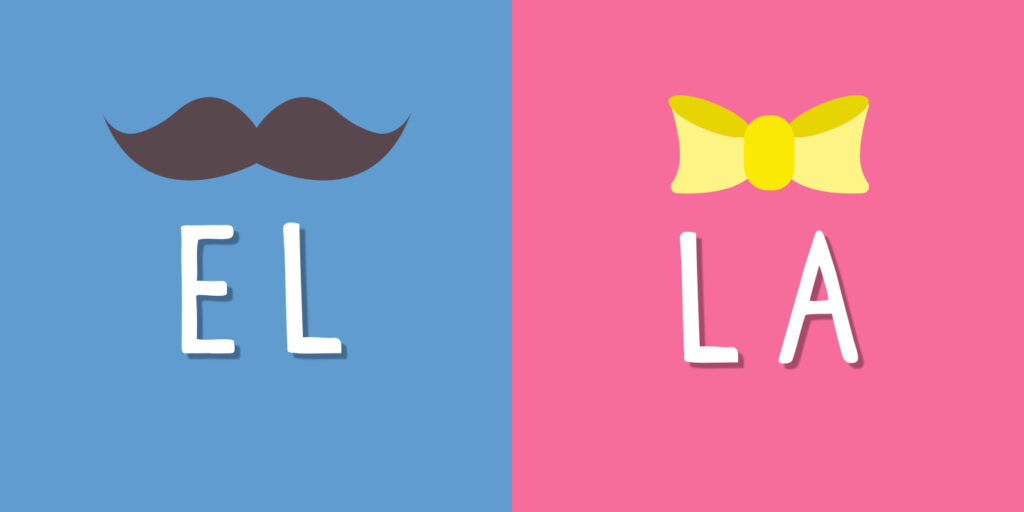
Las palabras terminadas en -A, -D, -ÓN, -Z; son femeninas. Words ending in -A, -D, -ÓN, -Z; they are feminine.
La comida The food La universidad The university La televisión The television
La montaña The mountain La libertad The freedom La acción The action
Algunas excepciones. Some exceptions.
a. El día
b. El lápiz
c. El sofá
d. El camión
e. El corazón
f. El agua
Palabras terminadas en -IS, -IE; son femeninas. Words ending in -IS, -IE, -UMBRE; they are feminine.
La crisis La serie
The crisis The series
FEMENINO O MASCULINO
Las palabras terminadas, generalmente en -TA o -TE; se refieren a masculino o femenino. Words ending, usually in -TA or -TE; refer to masculine or feminine.
La poeta La artista La cantante La estudiante
El poeta El artista El cantante El estudiante
The poet The artist The singer The student
Cuando por género la palabra es masculina o femenina, generalmente son diferentes. When by gender the word is masculine or feminine, they are generally different.
El hombre The man La mujer The woman
El padre The father La madre The mother
El actor The actor La actriz The actress
El toro The bull La vaca The cow